The Evolution of Smart Devices in Modern Living
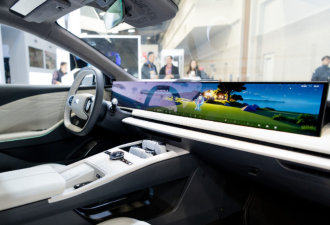
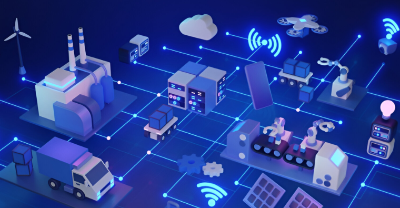
With the rapid development of technology, we are gradually entering the era of intelligentization. From smartphones to the Internet of Things (IoT) and artificial intelligence (AI), technology is profoundly permeating our daily lives. From simple communication tools to today's smartphones, tablets, and wearable devices, mobile devices have profoundly changed our lifestyles, work habits, and social interactions.
The Intelligent Penetration of Daily Life
Home Scenarios: From "Manual Control" to "Seamless Interaction"
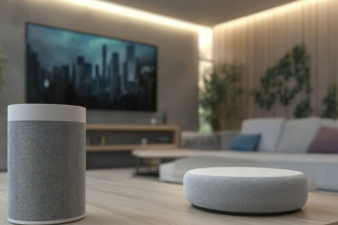
Smart home systems connect with IoT devices through voice assistants to automate the control of lights, air conditioning, and curtains. For example, intelligent temperature control systems can automatically adjust indoor temperature according to user habits, and intelligent security devices use facial recognition technology to monitor home security in real time, immediately pushing alarm information in case of abnormalities. More importantly, AI-driven appliance maintenance functions can predict equipment failures in advance and proactively remind users to repair them, transforming "passive response" into "proactive service."
Health Management: From "Experience-Based Judgment" to "Data-Driven"
Smart wearable devices monitor data such as heart rate, blood pressure, and sleep quality in real time, combining this with AI algorithms to analyze user health risks. For example, a certain brand of smartwatch successfully helped users detect undetected arrhythmias through its ECG function; AI health management platforms generate personalized nutrition suggestions and exercise plans based on users' diet and exercise data, shifting health management from "mass-market" to "precision."
Mobility Sector: From "Experience-Based Navigation" to "Global Optimization"
Autonomous driving technology uses sensors and algorithms to perceive road conditions in real time and optimize routes. In Hangzhou, the City Brain system uses AI to analyze traffic flow and dynamically adjust traffic light durations, reducing congestion at pilot intersections by 19%; in addition, ride-sharing platforms use AI algorithms to match passengers and drivers, improving vehicle utilization and reducing empty runs.
The Historical Evolution of Mobile Devices
The origins of mobile devices can be traced back to the early 20th century, when radio communication technology began to emerge. Initially, mobile devices were mainly used for military and emergency communications, gradually expanding into the civilian market with technological advancements. In 1983, Motorola launched the world's first commercially available mobile phone—the DynaTAC 8000X—marking the official arrival of the mobile communication era.
Entering the 1990s, mobile phones gradually became widespread, and their functions continued to improve. With the introduction of features like SMS and MMS, the usage scenarios for mobile devices began to diversify. In the early 2000s, the emergence of smartphones completely transformed this field. In 2007, Apple launched the first-generation iPhone, marking the arrival of the smartphone era. The iPhone not only had calling capabilities but also integrated internet browsing, music playback, and various applications.
Conclusion
The technological advancements brought about by the intelligent era have injected more convenience and intelligence into our daily lives. However, this has also brought concerns about privacy, security, and ethics. In the future, we need to find a balance in technological development to ensure that the application of technology truly serves the well-being of humanity. With the continuous advancement of the intelligent era, we can expect to witness more technological innovations, changing our lifestyles and making the future more intelligent, convenient, and sustainable.